


When walls are opened during a renovation, plastering becomes a structural decision, not a decorative one. Cracks around junctions, uneven substrates, and old damp marks usually explain why standard finishes fail after a few months. That is why plastering services in Marbella are planned together with demolition stages, moisture checks, and future wall loads. Perlite finish is chosen where thermal correction is needed, damp proof plastering is applied only after the source of moisture is controlled, and archway plastering is shaped once final room geometry is fixed. Each step follows renovation logic, because plaster applied too early often has to be removed later.
During interior and exterior works, plaster layers connect plumbing routes, electrical chases, and final surface levels into one renovation ecosystem. Lime plastering is used where breathability matters after insulation upgrades, while Venetian plastering is applied only once movement in walls has stopped. Ceiling and wall treatments are coordinated with flooring heights and joinery tolerances, otherwise visual defects appear after handover. This approach is part of a full home renovation, where plastering services on the Costa del Sol support durability, not just appearance, and reduce corrective work once the project moves to finishing stages.

Venetian Plastering
After demolition and chasing for electrics, walls often look flat but behave “alive” — small movements, repaired joints, and mixed substrates. That is where Venetian plastering has to be treated as a renovation finish, not a quick decorative layer, because the base preparation decides whether the sheen stays even. We typically level and stabilise the wall first, then build the Venetian coats only when moisture is under control and adjacent trades are finished, otherwise micro-cracks or patch marks telegraph through. This is a common request in Marbella when clients want a high-end look inside a full renovation, and it sits naturally inside the workflow of a renovation company marbella that coordinates plastering with painting, lighting points, and final wall geometry.
Lime Plastering
When a property has older masonry or areas that previously trapped damp, lime plastering is chosen for a reason: it manages vapour movement differently than modern dense coats. If you cover a breathing wall with the wrong build-up, you often get blistering paint, salt bloom, or corners that stay cold and wet. We apply lime in renovation projects only after checking the cause of damp and correcting details like skirtings, ventilation routes, and external water run-off, because lime cannot “fix” an active leak. This is why “lime plaster Marbella” and “damp wall replastering Costa del Sol” show up so often in renovation enquiries, especially when the goal is long-term stability rather than a temporary cover-up.
Wall and Ceiling Plastering
Before kitchens, bathrooms, or built-in carpentry go in, wall and ceiling plastering sets the reference lines for everything that follows. If ceilings are not brought back to level, you later see it in kitchen units, shadow gaps, and tile lines, and correcting it after finishing becomes expensive. We usually coordinate plaster thickness with electrical boxes, plasterboard edges, and tile transitions so the renovation ecosystem stays predictable across trades. For clients planning “plastering services Marbella” or “wall levelling for renovation,” the next step is simple: send room photos and a short scope, and we’ll propose the sequence and access requirements so your project in Costa del Sol — including construction and renovation mijas — can move to painting and fit-out without rework. Contact us to schedule an on-site check and get a clear renovation quote with timing, prep, and finishing options.

Exterior Plastering
When façades are opened during renovation, exterior plastering becomes a protective layer, not a cosmetic one. Cracked render, salt marks, or hollow areas usually indicate moisture movement or substrate fatigue, and covering them without correction leads to repeat failure within seasons. Exterior plastering in Marbella and Costa del Sol is planned after checking drainage lines, balcony edges, and roof run-offs, because water always finds the weakest point. Lime-based systems are used where walls need to breathe, while harder finishes are limited to stable substrates. This approach is common in long-term renovation projects, including renovation works fuengirola, where exterior plastering must support insulation, window upgrades, and façade alignment rather than fight them later.
Interior Plastering
Once partitions are adjusted and services are installed, interior plastering defines the final geometry of rooms. Uneven walls affect kitchen fittings, wardrobes, and tile layouts, and correcting those issues after installation increases costs quickly. Interior plastering in renovation projects is therefore sequenced after electrical chasing and plumbing but before flooring reference levels are locked in. We level walls and ceilings with future finishes in mind, accounting for tile thickness, paint build-up, and lighting shadows. This is a frequent requirement in apartments and houses across Costa del Sol where renovation clients want predictable outcomes, not visual compromises hidden until the last stage.
Decorative Plastering
When decorative plastering is added to a renovation, it has to respect movement, light, and usage zones. Cornices, textured panels, and ornamental details fail if applied before the structure has settled or if lighting positions change later. Decorative plastering is therefore planned once layouts, ceiling heights, and final fixtures are confirmed, especially in combined renovation and extension works. We often integrate these finishes into wider building works benalmadena, where decorative elements must align with carpentry, paint systems, and long-term maintenance access. If you are planning exterior or interior plastering as part of a renovation, send drawings or site photos and request an on-site review to define scope, sequence, and timing before finishing stages begin.

Archway Plastering
When walls are reconfigured during a renovation, archway plastering stops being decorative and becomes geometric work. Openings are often widened, squared, or structurally reinforced, and if plastering is rushed, curves lose symmetry once doors, lighting, or flooring are installed. Archway plastering is therefore carried out after final wall positions are fixed and movement has settled, otherwise hairline cracks appear along the radius. Venetian or lime plaster is selected based on room humidity and expected traffic, not appearance alone. This approach is typical for renovation projects in Costa del Sol where layout changes demand precision rather than surface cover-ups, especially when coordinated by a construction company malaga handling multiple trades.
Damp Proof Plastering
When damp marks show up after stripping old finishes, damp proof plastering becomes a corrective step, not a guarantee. Moisture usually enters through bridging, failed waterproofing, or external ground levels, and applying plaster without stopping the source leads to repeat damage within months. Damp proof plastering is applied only after the cause is identified and addressed, with details around floors, skirtings, and ventilation checked first. In renovation environments, this sequence prevents salts from migrating into new finishes and protects later stages like painting or tiling. It is a common request in older properties across Malaga where interior upgrades reveal long-standing moisture problems hidden behind previous layers.
Perlite Finish
When insulation upgrades are limited by wall thickness or ceiling height, a perlite finish is often specified as part of the renovation strategy. Expanded perlite reduces weight while improving thermal behavior, but only works as intended if substrate preparation and curing times are respected. Applied too thick or over unstable bases, it loses its insulating advantage and cracks under load. We use perlite finishes where thermal correction, ceiling leveling, or light structural relief is required, especially in refurbishment projects where adding full insulation systems is not viable. For renovation clients planning plastering as part of wider works, the next step is straightforward: share drawings or site photos to define scope, sequencing, and access before final finishes are scheduled.
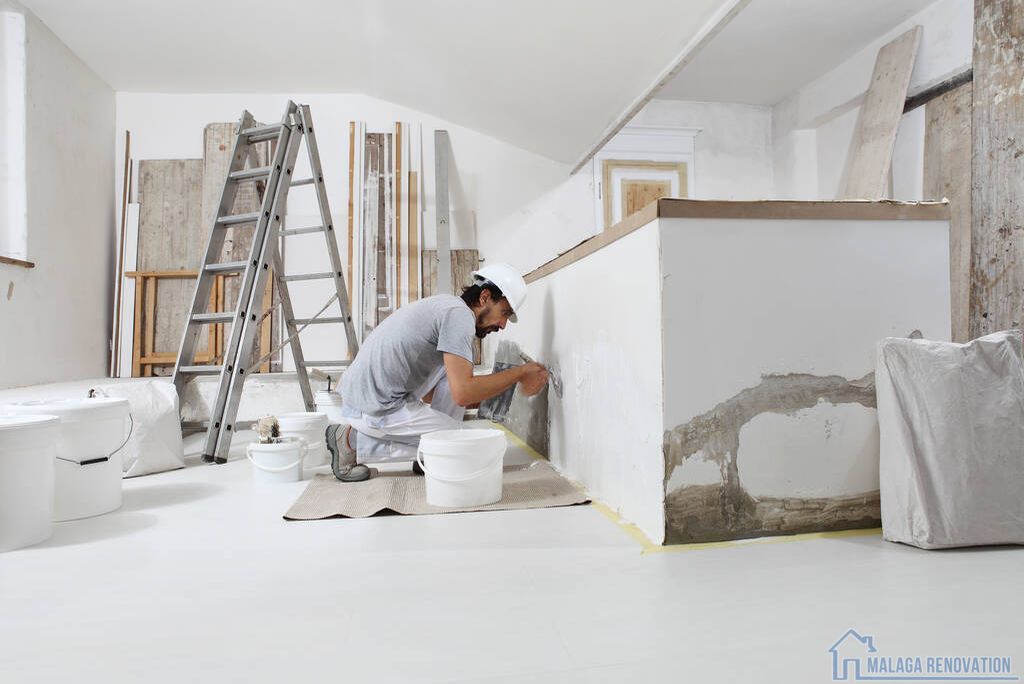
Plastering Integrated Into the Renovation Workflow
When plastering starts without understanding what comes next, surfaces usually get damaged again before handover. Electrical chasing, tile edges, wallpaper junctions, and paint layers all interact with plaster thickness, drying time, and surface flatness. That is why plastering in renovation projects is planned as a structural stage, not a finishing gesture. Techniques such as Perlita finishes, damp proof plastering, archway shaping, and decorative work are selected based on wall condition, moisture history, and future use, not visual preference alone. This sequence reduces rework once floors, kitchens, or bathrooms are installed.
Why technique selection matters during renovation
When walls carry old moisture or mixed substrates, lime plastering is chosen to allow vapour movement, otherwise blistering paint and salt marks appear later. Venetian plastering is applied only after wall movement stops, because micro-shifts show immediately on polished surfaces. Perlita finish is used where insulation needs improvement without adding bulk, but only after checking load limits and curing times. Each technique solves a specific renovation problem, and misusing it creates a new one that surfaces months later.
Plastering inside the renovation ecosystem
Before final decoration, plastered walls define reference lines for tile installation, ceiling cuts, and built-in furniture. If levels are off, tile joints drift, wallpaper patterns break, and paint shadows become visible under lighting. That is why plastering is coordinated with follow-up trades such as painting services and wallpaper hanging, keeping tolerances realistic across the entire renovation ecosystem. This coordination avoids surface corrections after finishes are already in place.
Service coverage and renovation scope
Plastering works cover interior and exterior walls, ceilings, arches, and moisture-affected zones across Costa del Sol, including Marbella. Each project is assessed on site to define access, preparation stages, drying periods, and interaction with other renovation works. This approach supports apartments, villas, and mixed-use refurbishments where timing between trades decides the final result.
If you are planning plastering as part of a wider renovation, the practical next step is simple. Share basic plans or site photos and outline what follows after plastering. That allows the sequence, materials, and timing to be set before finishes are booked. It is a low-commitment review that prevents high-cost corrections later and keeps your renovation moving forward without friction.