


During a home renovation, plumbing services often become critical the moment old pipes are exposed after demolition. Corroded joints, hidden leaks, and outdated layouts usually explain why bathrooms fail inspections or kitchens get rebuilt twice. This is where plumbing services stop being a quick fix and become part of the renovation logic. Pipe repair and replacement are planned together with walls, floors, and future access points, because closing surfaces too early leads to damage later.
When drainage and water supply are coordinated with tiling, plastering, and bathroom layouts, the renovation ecosystem stays predictable. Drain cleaning is done before new slopes are formed, leak detection happens before finishes are installed, and fixture installation follows real usage zones, not guesswork. Water heaters, sewer lines, and filtration systems are checked in sequence, because pressure changes in renovated properties often reveal weak points only after systems are restarted. All plumbing works are aligned with the wider home renovation process, not treated as isolated tasks. That approach reduces reopenings, delays, and hidden costs later on.

Pipe Repair and Replacement — Integrated into Renovation Works
During house renovation in Marbella, pipe problems usually appear right after demolition. Old steel lines, reduced diameters, hidden joints in walls. The cause is age and previous partial repairs; the consequence is pressure loss and future leaks if pipes are not replaced before finishes. Pipe repair and replacement here are planned together with wall rebuilding, floor levels, and bathroom layouts. This renovation positioning avoids reopening tiles later and keeps the plumbing system aligned with the full house renovation marbella process.
In renovation projects, pipes are not replaced “where it leaks” but where access will be closed for decades. Water flow calculations, future fixture locations, and maintenance access are considered upfront. That practical nuance is often missed in standalone plumbing calls. If pipe replacement is part of a wider renovation scope, downtime is reduced and system efficiency stays predictable. This is the logic renovation clients usually look for.
Drain Cleaning — Renovation-Level Preparation
Before new bathrooms, kitchens, or floor slopes are installed, drains must be cleared properly. Old grease, construction debris, and collapsed sections are common findings in Malaga properties. The reason is simple: years of use combined with outdated layouts. If drains are not cleaned and checked before renovation finishes, slow drainage appears after handover. Drain cleaning is therefore scheduled before screeds, tiling, and waterproofing as part of renovation sequencing.
For renovation clients working with a renovation company malaga, this step prevents hidden blockages under new surfaces. It also allows slope corrections while floors are still open. A small intervention at the right moment saves full floor dismantling later. That is renovation logic in practice.
Leak Detection and Repair — Before Finishes Are Closed
Leaks during renovation are rarely visible at first glance. Pressure tests often reveal micro-leaks in old joints once systems are restarted. The cause is stress from layout changes and new fixtures; the consequence is moisture trapped behind new walls if ignored. Leak detection and repair are done before plastering and tiling, not after. This protects new finishes and avoids insurance issues later.
Renovation clients usually want certainty before closing walls. That is why leak checks are coordinated with other trades and documented as part of the renovation workflow. If you are planning structural or interior changes and need plumbing verified before finishes, this is the right stage to act. Contact us early in your renovation planning — fixing leaks now is cheaper than reopening completed work later.

Fixture Installation — Final Stage of Renovation Works
During renovation projects, fixture installation is never just a finishing touch. Wall thickness, tile buildup, waterproofing layers, and final floor heights all affect how taps, toilets, and sinks must be positioned. If fixtures are installed without renovation context, the result is misaligned fittings and limited access later. That is why fixture installation is scheduled after surfaces are finalized but before handover checks.
In properties undergoing full refurbishment, fixtures are aligned with real usage zones, pressure limits, and maintenance access. This approach is common in projects handled by a construction company fuengirola, where plumbing must match layout decisions made weeks earlier. If you are planning a renovation and want fixtures installed once, not corrected later, this stage should be coordinated early. Contact us before finishes are signed off.
Water Heater Services — Planned Within Renovation Layouts
Water heater issues often surface after renovation when demand changes. Larger showers, additional bathrooms, or longer pipe runs increase load on existing systems. The cause is simple: old heaters were sized for previous layouts. During renovation, water heater installation or replacement is reviewed alongside new plumbing routes and electrical capacity.
In renovation-driven building works, heater positioning, ventilation, and access panels are adjusted before walls are closed. This is especially relevant in properties undergoing building works mijas, where space optimization matters. If hot water reliability is part of your renovation expectations, address the heater before finishes are completed. Fixing it later usually means opening walls again.
Sewer Line Services — Structural Plumbing for Renovation Projects
Sewer line problems rarely start during renovation, but renovation often exposes them. Old clay pipes, incorrect slopes, or hidden connections become visible once floors are opened. If these issues are ignored, blockages and backflow appear after the property is handed over. Sewer line services are therefore treated as structural work, not emergency fixes.
During renovation, sewer lines are cleaned, corrected, or replaced while access is available. This reduces future risk and aligns drainage with new bathroom and kitchen layouts. If your renovation includes floor changes or layout reconfiguration, sewer inspection should happen now, not later. Addressing it at this stage keeps the renovation process controlled and avoids disruptive repairs after completion.
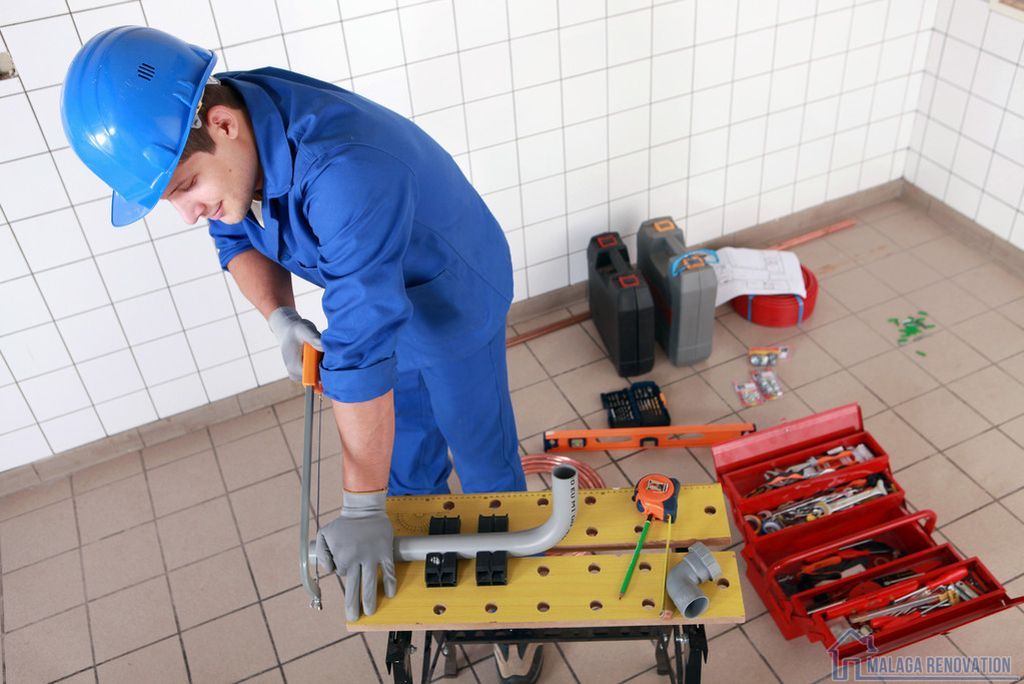
Bathroom Remodeling — Plumbing as Part of Renovation Structure
Bathroom remodeling usually starts with demolition, not with fixtures. Old pipe routes, incorrect slopes, and mixed materials are common once walls are opened. The reason is decades of partial upgrades; the consequence is leaks and pressure drops if plumbing is not rebuilt together with the layout. In renovation projects, bathroom plumbing is redesigned around waterproofing zones, tile thickness, and final floor levels, not around old connections.
When bathroom works are part of wider renovation works benalmadena, plumbing decisions are tied to wall positions, shower drains, and future access. This prevents cutting tiles later and keeps maintenance realistic. If you are planning a bathroom renovation and want the result to last beyond the first year, plumbing must be addressed before finishes are approved. Plan this stage early, not after design sign-off.
Emergency Plumbing — Fast Response Inside Active Renovations
Emergency plumbing during renovation often happens after systems are re-pressurized. Weak joints fail, old valves break, and hidden connections start leaking. The cause is stress from new layouts and pressure changes; the risk is damage to unfinished walls and floors. Emergency plumbing in renovation settings is handled differently, with priority on isolating sections without stopping the entire project.
For renovation clients, speed alone is not enough. The fix must align with ongoing works so surfaces are not damaged twice. If an emergency occurs while your property is under renovation, contact us immediately. Acting at the right moment limits delays and keeps the renovation schedule under control.
Water Quality Filtration — Integrated During Renovation Upgrades
Water quality issues are often discovered after renovation, when new fixtures highlight scale, sediment, or pressure imbalance. The cause is usually outdated supply lines combined with modern fittings. During renovation, filtration systems are installed while pipe routes are still accessible, allowing correct positioning and future servicing without wall openings.
In renovation projects, filtration is planned alongside kitchens, bathrooms, and main supply upgrades. This avoids retrofitting later and keeps water quality consistent across the property. If clean water is part of your renovation expectations, this system should be included before walls are closed. Adding it later almost always costs more.

Plumbing Within the Renovation Ecosystem — Where Systems Either Work Together or Fail Later
During renovation projects, plumbing is rarely the visible problem at the start. Pipes sit behind walls, under floors, inside shafts. The issue appears later, when finishes are already installed and access is gone. The reason is simple: plumbing was treated as a standalone task instead of a structural layer of the renovation. The consequence is leaks behind tiles, pressure drops in new bathrooms, or fixtures that never quite work as intended.
In renovation-driven plumbing, the system is planned together with layouts, loads, and sequences. Pipe routes follow wall changes. Drain slopes are aligned with new floor levels. Water pressure is checked against the number of future fixtures, not past usage. This is how plumbing stays predictable once the renovation is completed, not just on day one.
Why Plumbing Decisions Affect the Entire Renovation Outcome
When plumbing is adjusted after walls are built, something always breaks. Tiles are cut. Waterproofing is compromised. Timelines stretch. The cause is late-stage corrections that should have been resolved earlier. In renovation projects, plumbing must be locked before finishes, because every other trade depends on it. That includes bathrooms, kitchens, electrics, and even furniture alignment.
This is why plumbing is coordinated with bathroom renovation works from the first layout review. Shower positions affect drains. Vanity units affect pipe heights. Toilet placement affects wall framing. Ignoring these links creates cosmetic results that hide functional weaknesses.
Service Coverage Inside Active Renovation Projects
Renovation plumbing covers more than repairs. It includes system checks after demolition, pipe replacement where access will be lost, pressure balancing after layout changes, and final testing before handover. Each step has a reason. Skip one, and the issue appears later, when fixing it costs more.
Kitchen upgrades are a common example. New kitchen furniture often changes sink positions, appliance loads, and access panels. If plumbing is not adjusted at the same time, drawers block valves, and leaks remain hidden until damage spreads. Renovation-aware plumbing prevents that chain reaction.
Plumbing and Other Trades — One System, Not Separate Jobs
Plumbing does not operate alone inside a renovation. Electrical loads change with new water heaters. Ventilation paths shift with new layouts. Coordination with electrical services avoids conflicts inside walls and ceilings. The practical nuance here is timing. If trades are sequenced incorrectly, walls are opened twice. Nobody benefits from that.
Inside the renovation ecosystem, plumbing is installed, tested, and signed off before finishes. That sequence protects the work and stabilizes the project. It also creates documentation that matters later, for maintenance or resale. Quiet expertise shows up there, not in slogans.
Soft Conversion — Planning Before Problems Appear
If you are planning renovation works and plumbing is still treated as “we’ll see later,” this is the moment to pause. A short planning review now often prevents months of corrections later. You do not need to commit to full works immediately. Sometimes checking layouts, loads, and access is enough to avoid future issues.
Renovation clients usually reach out after something fails. Reaching out before walls are closed changes the outcome completely. That choice is yours.
In renovation projects, results are measured after years, not after handover. Plumbing that works quietly, without leaks or access problems, is usually the result of correct decisions made early. That is the difference between renovation as a surface upgrade and renovation as a system that actually works.